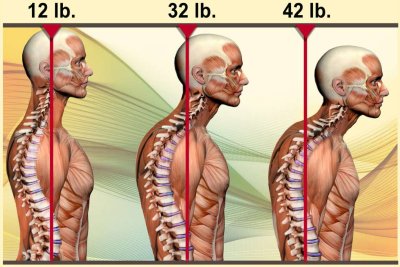
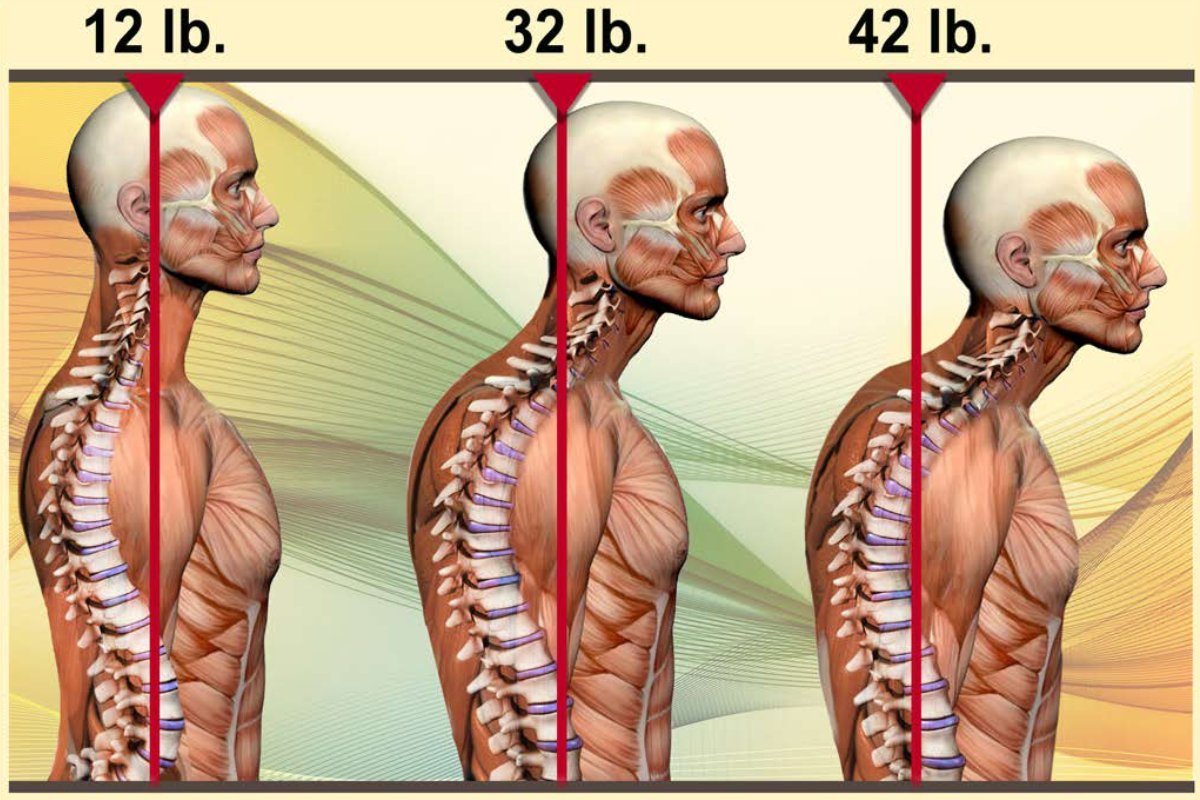
Where the head is positioned in front of the shoulders, this poor posture can lead to tension headaches, neck and shoulder pain, limited range of motion, and even spinal and jaw issues over time. To correct it, regular stretching and strengthening exercises like chin tucks and chest stretches, along with taking frequent breaks from static positions, can help.
Symptoms of head posture pressure
- Headaches: Tension headaches or migraines can result from the strain on neck muscles.
- Neck and shoulder pain: Muscles become fatigued and tight from overcompensating to support the forward head position.
- Upper back pain: The muscles in the upper back are strained as they work to compensate for the head's new position.
- Limited range of motion: Stiffness can develop in the neck and shoulders.
- Muscle tightness: Tightness can be felt in the chest, neck, and shoulders.
- Jaw pain: The misalignment can lead to temporomandibular joint (TMJ) issues.
- Balance issues: A shift in the head's center of gravity can affect overall balance.
How to alleviate and correct head posture pressure
- Perform chin tucks: While standing or sitting, gently pull your head back, tucking your chin toward your chest. Hold for a few seconds and repeat. A good way to check your form is to stand with your upper back against a wall and perform the movement, pulling your head back until it meets the wall.
- Stretch your chest: Stand up and interlace your fingers behind your back. Gently draw your shoulders back and down to stretch your chest muscles.
- Take breaks: Avoid sitting or standing in one position for too long. Get up and move around every 30 minutes.
- Strengthen your core: Exercises that strengthen your core muscles can help with overall posture and stability.
- Practice breathing exercises: Focus on deep breathing, using your diaphragm instead of your chest, which can help reduce neck engagement.